Korean Bibimbap
Highlighted under: International Meals
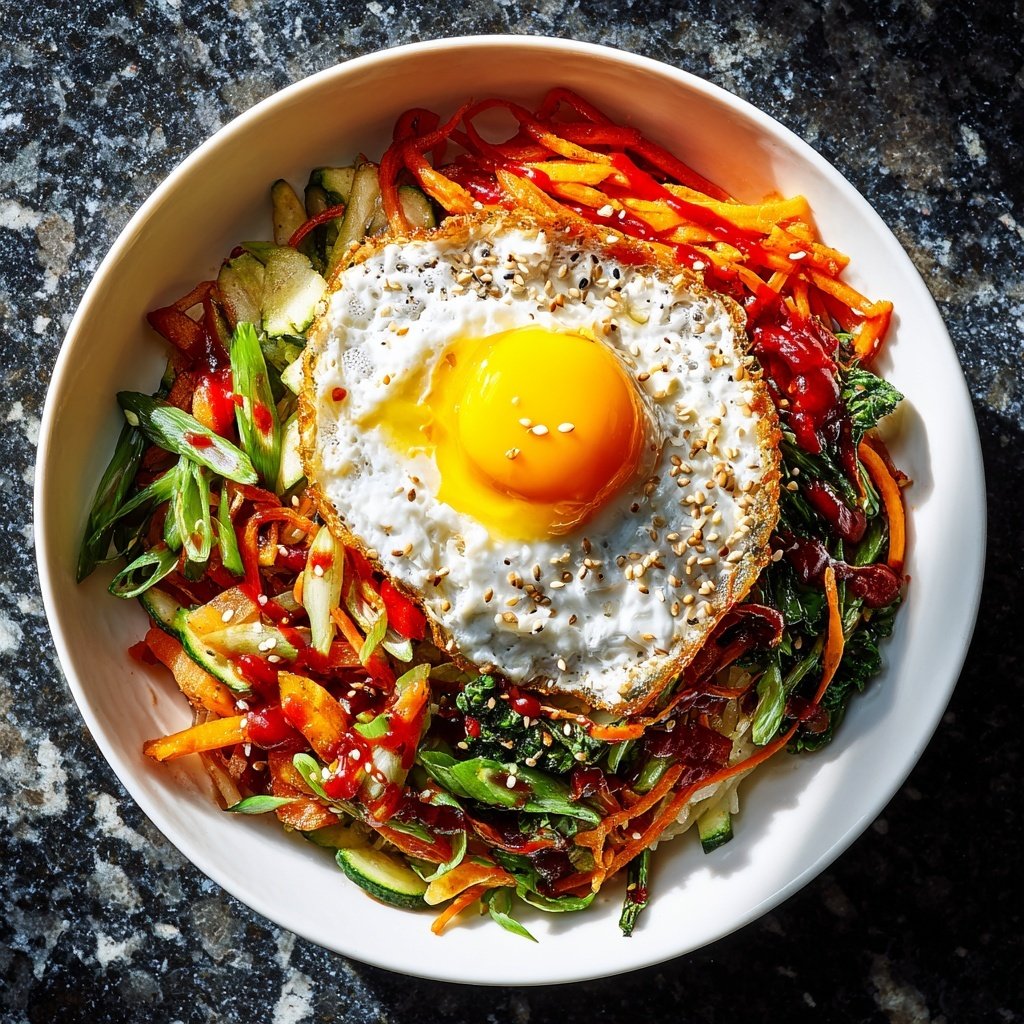
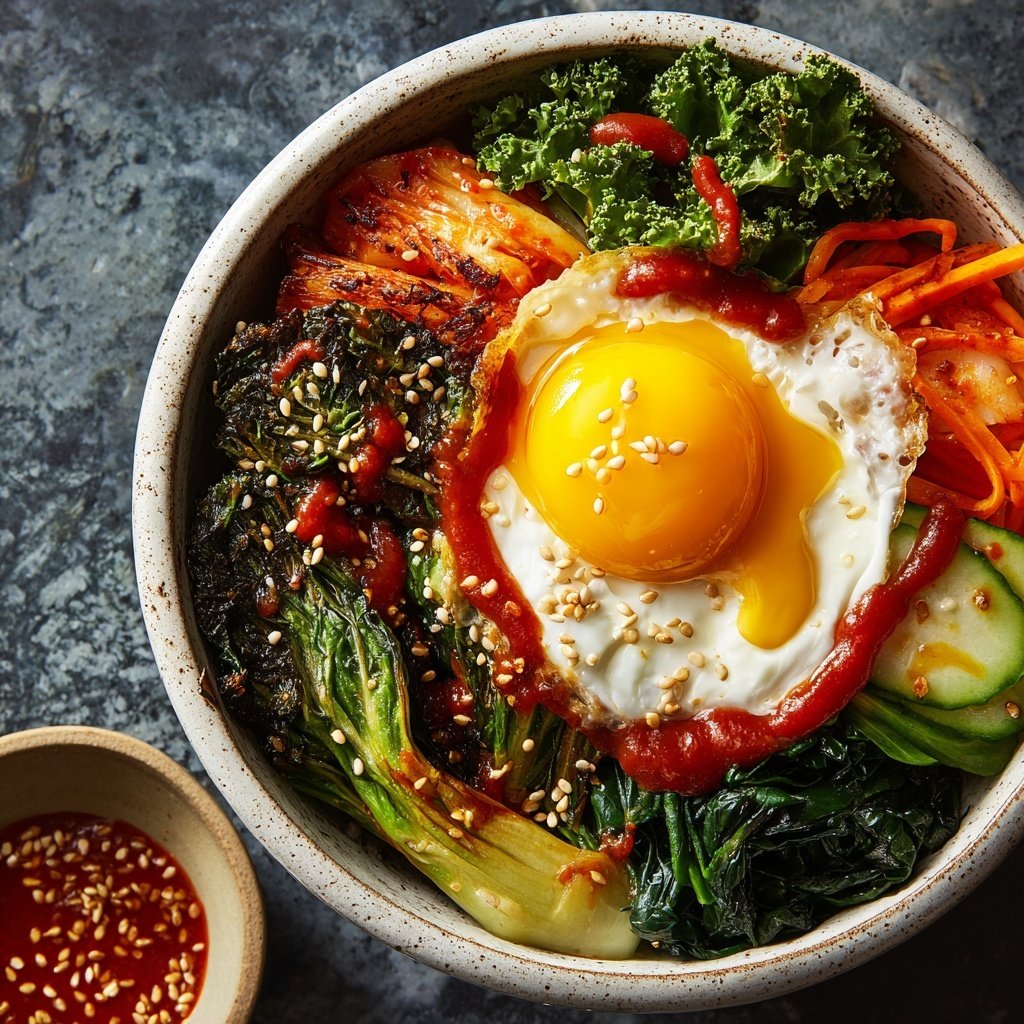
Korean Bibimbap is a vibrant and healthy mixed rice dish topped with a variety of vegetables, protein, and a spicy gochujang sauce.
Korean Bibimbap is not only a feast for the eyes but also for the taste buds. This dish brings together a harmonious blend of flavors and textures, making it a staple in Korean cuisine.
Why You'll Love This Bibimbap
- A colorful array of fresh vegetables and toppings
- Customizable with your favorite proteins and sauces
- A perfect balance of flavors with a spicy kick
The Heart of Bibimbap
Bibimbap, which translates to 'mixed rice', is a dish that embodies the essence of Korean cuisine. Its harmonious blend of colors, textures, and flavors not only makes it visually appealing but also nutritionally balanced. The variety of vegetables used not only adds freshness but also a plethora of vitamins and minerals, making it a wholesome choice for any meal. With its roots in Korean history, bibimbap was traditionally a way to use up leftover ingredients, showcasing the resourcefulness of Korean cooking.
The beauty of bibimbap lies in its customization. Whether you prefer tofu, beef, or chicken, you can easily adapt this recipe to suit your dietary preferences. This flexibility allows you to experiment with different ingredients while keeping the core elements of the dish intact. The vibrant colors of the vegetables combined with the protein of your choice create a visually stunning plate that is as delightful to eat as it is to behold.
Gochujang: The Secret Ingredient
Gochujang is a staple in Korean cooking and is essential for achieving the authentic flavor of bibimbap. This fermented chili paste is made from red chili powder, glutinous rice, fermented soybeans, and salt, resulting in a unique blend of sweet, spicy, and savory flavors. Adding gochujang not only enhances the taste but also gives the dish its signature kick. You can adjust the amount based on your spice tolerance, making it perfect for everyone from beginners to spice enthusiasts.
In addition to its flavor, gochujang also offers various health benefits. It contains capsaicin, which is known to boost metabolism, and antioxidants that may help reduce inflammation. Incorporating gochujang into your bibimbap is not just about taste; it's also a way to embrace the healthful aspects of Korean cuisine.
Serving and Enjoying Bibimbap
When it comes to serving bibimbap, presentation is key. The arrangement of the colorful vegetables and the sunny-side-up egg on a bed of rice creates an inviting dish that encourages sharing and enjoying the meal together. Traditionally, bibimbap is served in a hot stone bowl, which gives the rice a delightful crispy texture at the bottom. However, this recipe can be enjoyed in any bowl, making it accessible for home cooking.
To enjoy bibimbap, mix all the ingredients together thoroughly before digging in. This mixing is crucial as it combines all the flavors and textures into every bite, allowing you to savor the dish fully. Whether you’re making it for a cozy family dinner or a gathering with friends, bibimbap is a delightful way to bring people together around the table.
Ingredients
For the Bibimbap
- 2 cups cooked rice
- 1 cup spinach, blanched
- 1 cup carrots, julienned
- 1 cup zucchini, julienned
- 1 cup bean sprouts, blanched
- 2 eggs
- 2 tablespoons sesame oil
- Salt to taste
- Gochujang (Korean chili paste) to serve
Feel free to add other vegetables or proteins as desired.
Instructions
Prepare the Vegetables
In a pan, heat sesame oil over medium heat. Sauté zucchini and carrots separately until tender. Add spinach and bean sprouts, cooking each for about 2-3 minutes. Season with salt.
Cook the Eggs
In a separate pan, fry the eggs sunny-side up or to your liking.
Assemble the Bibimbap
In a bowl, place a serving of rice, then arrange the sautéed vegetables and fried egg on top. Serve with gochujang on the side.
Mix everything together before eating for the best flavor.
Pro Tips
- Use a variety of colorful vegetables for a more appealing presentation.
Storage and Meal Prep Tips
Bibimbap is an excellent choice for meal prep. You can prepare the vegetables in advance and store them in airtight containers in the refrigerator for up to three days. This not only saves time during busy weekdays but also ensures that you have a healthy meal ready to go. When you're ready to eat, simply reheat the rice and sauté the vegetables briefly to warm them up before assembling your bibimbap.
If you prefer batch cooking, you can make a larger quantity of rice and freeze portions for later use. Just thaw and reheat as needed. This way, you can enjoy a homemade bibimbap with minimal effort on those hectic days.
Variations and Additions
While the traditional bibimbap recipe is fantastic, don’t hesitate to get creative. You can add different proteins like grilled shrimp or marinated tofu for a twist. If you're looking for a vegetarian option, consider adding avocado or mushrooms for extra flavor and creaminess. Each variation can provide a new experience while keeping the essence of bibimbap intact.
You can also experiment with different sauces such as sesame sauce or soy sauce along with the gochujang to create a unique flavor profile. Adding nuts or seeds can provide an extra crunch, making your bibimbap even more delightful.
Questions About Recipes
→ Can I use brown rice instead of white rice?
Yes, brown rice adds more fiber and nutrients.
→ What protein can I add to Bibimbap?
You can add chicken, beef, tofu, or even seafood.
→ Is Bibimbap spicy?
It can be spicy depending on how much gochujang you add.
→ Can I make Bibimbap vegan?
Absolutely! Just omit the eggs and use tofu or more vegetables.
Korean Bibimbap
Created by: Odette Fairbanks
Recipe Type: International Meals
Skill Level: Intermediate
Final Quantity: 2 servings
What You'll Need
For the Bibimbap
- 2 cups cooked rice
- 1 cup spinach, blanched
- 1 cup carrots, julienned
- 1 cup zucchini, julienned
- 1 cup bean sprouts, blanched
- 2 eggs
- 2 tablespoons sesame oil
- Salt to taste
- Gochujang (Korean chili paste) to serve
How-To Steps
In a pan, heat sesame oil over medium heat. Sauté zucchini and carrots separately until tender. Add spinach and bean sprouts, cooking each for about 2-3 minutes. Season with salt.
In a separate pan, fry the eggs sunny-side up or to your liking.
In a bowl, place a serving of rice, then arrange the sautéed vegetables and fried egg on top. Serve with gochujang on the side.
Extra Tips
- Use a variety of colorful vegetables for a more appealing presentation.
Nutritional Breakdown (Per Serving)
- Calories: 500 kcal
- Total Fat: 19g
- Saturated Fat: 3g
- Cholesterol: 186mg
- Sodium: 720mg
- Total Carbohydrates: 67g
- Dietary Fiber: 5g
- Sugars: 3g
- Protein: 15g